
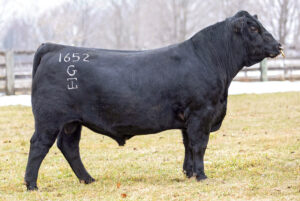
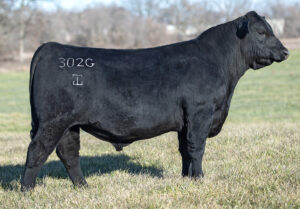
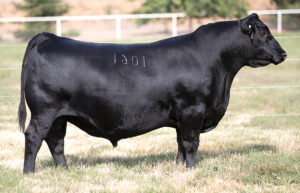
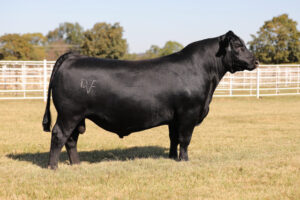

Using Expected Progeny Differences (EPDs) is the fastest way to make genetic improvement in beef cattle.
Breed associations calculate EPDs using vast amounts of data collected on economically important traits. The power of this data is tremendous. Performance information used to calculate EPDs come from combinations of the following:
1. The individual’s own performance record
2. Progeny records
3. Records of other relatives in the pedigree (particularly sire and dam)
4. Genetic correlations of traits
As progeny records are added to a sire’s record, the accuracy of the EPD increases and becomes more reliable.
Breeders need to remember that EPD values are not exact and actual progeny differences will vary from the predicted EPD values. Therefore, breeders should use proven bulls with high accuracies more heavily than young bulls with low accuracies.
Armed with sire summary data, you can make breeding decisions based on documented records for a variety of traits and breed cattle that work in your program. Although the EPDs reported in sire summaries might vary by breed, most breed associations commonly report these traits:
Calving Ease Carcass Traits Grid Value
Birth Weight Scrotal Circumference Beef Value
Weaning Weight Yearling Height Weaned Calf Value
Yearling Weight Stayability Cow Efficiency
Milk Feedlot Value
|
EPD - Expected Progeny Difference - The expected difference Acc. - Accuracy - A measure of reliability of an EPD % Rank - Based on percentages, this indicates where a CED or CE - Calving Ease Direct is the difference in BW - Birth Weight EPD predicts the difference in average WW - Weaning Weight EPD predicts the difference in YW - Yearling Weight EPD predicts the difference in YH - Yearling Height (Angus) - The YH EPD predicts the SC - Scrotal Circumference - The SC EPD predicts the CEM or MCE - Calving Ease Maternal is expressed as
|
Milk - The milk EPD predicts the difference in average MWW - Maternal Weaning Weight (Simmental); M&G $EN - Cow Energy Value (Angus), expressed in dollars Stay - Stayability (Red Angus & Simmental) - The stayability Carcass Traits – EPDs for carcass traits are calculated CW - Carcass Weight - The EPD predicts the difference Marb - Marbling - The EPD predicts the difference in average REA - Ribeye Area - The EPD predicts the difference in Fat - The EPD predicts the difference in fat thickness of YG - Yield Grade (Simmental) – The EPD predicts differences |
$Value Indexes (Angus)Weaned Calf Value ($W), an index value expressed in Feedlot Value ($F), an index value expressed in dollars Grid Value ($G), an index value expressed in dollars per Beef Value ($B), an index value expressed in dollars per Indexes (Simmental) All-Purpose Index (API), expressed in net dollars returned Terminal Index (TI), expressed in net dollars returned $Value Indexes (Shorthorn)$ CEZ – ($ Calving Ease) This index assumes a bull will only be mated to heifers, not cows. The potential profitability of the sire is measured by the incidence of live calves at birth. Moderate mature size is also emphasized in the index., but performance is not a priority. This index is also a good measure of Shorthorn females’ ability to produce calving ease sires. Overemphasis of $CEZ may cause unwanted depression of weaning and yearling performance. $F – ($ Feedlot) Similar to a Terminal Sire scenario, $Feedlot places strong emphasis on growth and carcass traits. This multi-trait index assumes the sire will be mated to a mix of heifers and cows and attempts to measure profitability when progeny are sold on the fed market. On the female side, mature size should be monitored closely when selecting for $F. Over-selection may cause detrimental harm to longevity, reproductive efficiency, and fleshing ability. $BMI – ($ British Maternal Index) As the name implies, this multi-trait selection index attempts to measure a bull’s potential profitability when complimenting the British cow base (Angus, Red Angus, Hereford, etc.). Shorthorn females can likewise be gauged at adding value to British or British-composite bulls of other breeds. A balance of growth and carcass traits is desired with a strong maternal component aimed at optimum reproductive efficiency and cow longevity. |
$Profit Indexes (Hereford)Brahman Influence Index (BII), is a maternally-focused index based on using Hereford bulls on Brahman x Hereford cows. Emphasizes fertility, REA and IMF, with progeny harvested through a commodity market. Baldy Maternal Index (BMI), is a maternally-focused index based on using Hereford bulls on Hereford x Angus cows with a progeny endpoint directed towards Certified Hereford Beef (CHB). Emphasizes fertility, CE, WW, IMF and REA with slight negative pressure on yearling weight to keep the mature size of cattle manageable. Certified Hereford Beef (CHB), is a terminal sire index based on using Hereford bulls to sire calves for the CHB market. Some emphasis is applied to CE with positive pressure applied to WW and YW, IMF and REA. No emphasis is placed on fertility as all calves are harvested. Calving EZ (CEZ), is a general purpose index that focuses on bulls that can be bred to heifers with resulting calves marketed through CHB. CE and MCE carry significant weight along with fertility. Little emphasis is placed on growth with less on carcass. This index is specifically designed to be used in a heifer program. Additional Terms:Homozygous Polled - This individual is polled and carries two polled genes. The animal will sire all polled offspring regardless of whether the other parent is horned or polled. Heterozygous Polled - The individual is polled but carries both a polled gene and a horned gene. The animal will sire both polled and horned calves. Homozygous Black - This individual will always pass on a black gene for color to his offspring. When bred to a diluted cow, this bull can still sire gray color patterns. Nondiluter - This individual does not carry the diluter gene and therefore will not pass on the diluter gene to his progeny. |

